
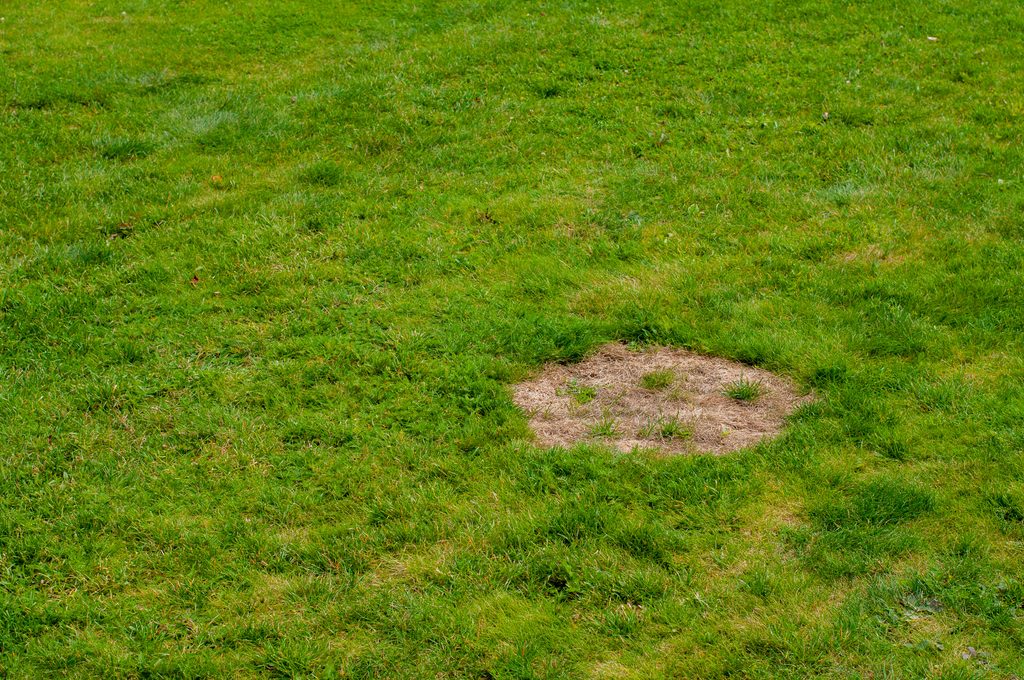
Some landscape problems return no matter how often a property is mowed, trimmed or cleaned. A muddy corner stays muddy. Turf wears away beside the same sidewalk. Shrubs repeatedly grow across a monument sign.
These recurring issues deserve a closer look during budget planning. November offers an opportunity to review how a Tulsa commercial landscape performed through summer and fall, then identify improvements for the coming year.
Start With Problems That Keep Returning
Review maintenance reports, property photos and feedback from tenants or staff. Look for locations that required repeated repairs or extra attention.
Common examples include:
- Bare turf along frequently used walking routes
- Standing water after rainfall
- Plants that repeatedly decline in the same bed
- Irrigation leaks or uneven coverage
- Shrubs that obstruct signs, windows or sidewalks
- Eroded soil or displaced mulch
Document where each issue occurs and what has already been tried. That information helps distinguish a routine maintenance need from a problem requiring a different approach.
Identify the Cause Before Pricing the Repair
Replacing damaged material without correcting the cause can lead to another replacement next year.
Thin turf may result from shade, compacted soil, foot traffic or uneven watering. A struggling shrub may be poorly suited to the available space, sunlight or drainage conditions.
Tulsa properties can experience both hot, dry periods and heavy rainfall. Improvements should account for how the site handles those conditions.
For example, repeatedly replacing plants in a wet bed may be less effective than evaluating drainage and selecting plants suited to the location. Worn turf along a direct route between buildings may call for a designated walkway rather than another round of seeding or sod.
Prioritize Access and Property Function
Start with issues affecting how people use the property. Blocked sightlines, vegetation narrowing a walkway and drainage problems near entrances may deserve attention before purely decorative improvements.
Then consider problems that repeatedly consume maintenance resources. An irrigation repair, bed redesign or plant replacement may help reduce recurring work when it addresses a documented cause.
Visible enhancements can follow. Entrance plantings and refreshed beds may improve the property’s appearance, but they should be planned alongside the functional needs of the site.
Separate Maintenance From Improvement Projects
Routine maintenance and landscape improvements serve different purposes.
Mowing, leaf removal and scheduled bed care help maintain existing conditions. Regrading a low area, replacing overgrown shrubs or renovating a planting bed changes the landscape itself.
Discuss which tasks fall within the maintenance agreement and which need a separate proposal. This makes budget requests clearer and helps avoid assuming that a larger repair is covered by routine service.
Build a Practical Project Schedule
Not every improvement needs to happen at once. Group work by urgency, location and seasonal timing.
A phased plan might address a drainage issue first, repair the affected landscape afterward and schedule an entrance refresh separately. Coordinate projects with tenant activity, property access and suitable installation conditions.
Ask for proposals that explain the recommended scope, the problem being addressed and any maintenance needs after completion. The strongest budget request connects each expense to a specific property need.
Roark Landscape helps Tulsa commercial property managers evaluate recurring landscape issues and plan appropriate improvements.
Contact us today to discuss priorities for next year’s landscape budget.