
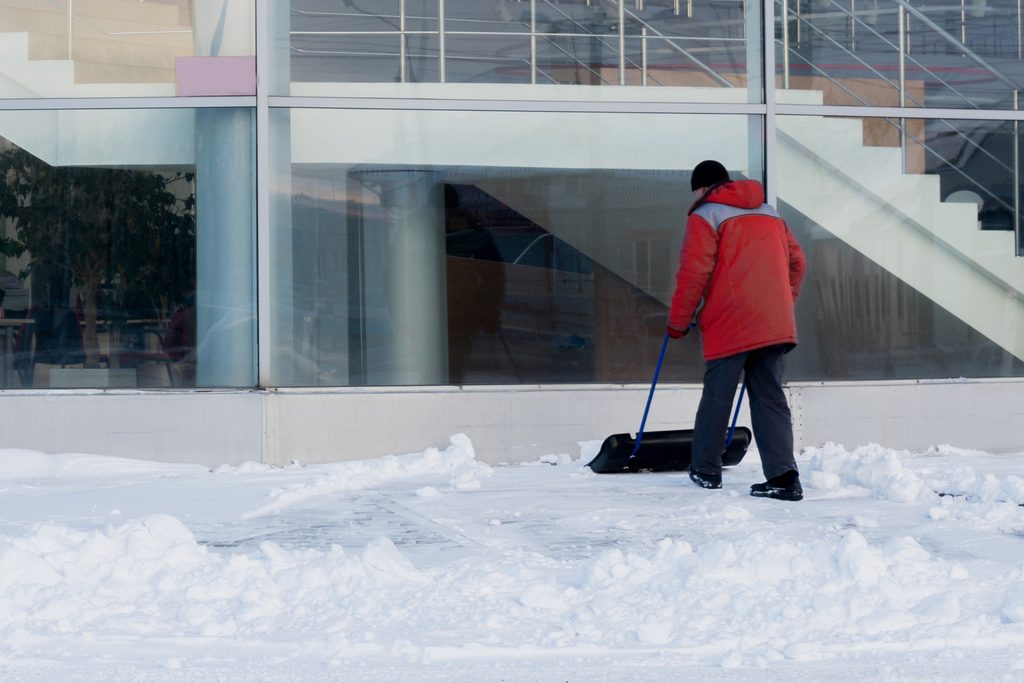
Tulsa winters can be difficult to plan around. Mild, dry conditions may be followed by a sudden freeze, ice event or snowfall. Even when winter weather is brief, it can interfere with property access, damage landscape features and create safety concerns around parking lots, entrances and sidewalks.
Commercial properties should prepare before freezing conditions appear in the forecast. A proactive winter plan can help protect the landscape, support safer access and reduce rushed decisions when the weather changes.
Identify Priority Areas for Snow and Ice Management
Start by determining which areas must remain accessible during winter weather. Every commercial property has different traffic patterns, operating hours and safety priorities.
Important areas may include:
- Main entrances and exits
- Sidewalks and pedestrian crossings
- Steps, ramps and accessible routes
- Loading areas
- Parking-lot entrances
- Emergency access points
- Employee walkways
- High-traffic shaded areas
Shaded pavement, north-facing entrances and low areas may stay icy longer than surfaces exposed to direct sunlight. These locations should be identified before a storm so crews understand where problems are most likely to develop.
Property managers should also establish which entrances, sidewalks and parking areas receive service first. A clear priority plan helps align winter services with the way tenants, employees, customers and emergency personnel use the site.
Arrange Snow and Ice Services Early
Tulsa may not receive frequent snow, but occasional storms can still affect business operations. Waiting until snow or ice is already falling can make it more difficult to coordinate service.
Before winter, review the property’s needs and discuss:
- Snow-plowing priorities
- Sidewalk and entrance clearing
- De-icing needs
- Hours of operation
- Areas that require special attention
- Locations where snow can be placed
- Communication procedures during an event
Snow placement should be planned carefully. Piles should not block entrances, accessible parking spaces, drains, fire lanes or important sightlines. They should also be kept away from sensitive plants whenever possible.
A defined plan allows property managers and service teams to make more consistent decisions when winter weather develops quickly.
Winterize the Irrigation System
Commercial irrigation systems should be prepared before freezing temperatures threaten exposed components. Water left in certain parts of a system may freeze, expand and damage pipes, valves or backflow components.
The correct winterization process depends on the system’s design, materials and exposure. Larger commercial systems may also contain multiple zones or components that require specialized attention.
Before shutdown, inspect the system for leaks, broken heads, uneven coverage and other problems discovered during the growing season. Documenting those issues in the fall can make spring startup and repairs more efficient.
Although the system may be winterized, newly installed trees and shrubs may still need occasional supplemental water during extended dry periods when the soil is not frozen.
Complete Fall Cleanup
Leaves and seasonal debris can affect more than a property’s appearance. Heavy leaf cover may block sunlight from reaching turf, hold excess moisture and conceal holes, curbs or other walking hazards.
Leaves can also collect around storm drains and drainage channels. Keeping these areas clear helps water move away from pavement during rain, melting snow and changing freeze-thaw conditions.
Fall cleanup should include:
- Removing accumulated leaves from turf and walkways
- Clearing drains and drainage paths
- Removing debris from entrances and parking areas
- Cleaning landscape beds
- Redefining bed edges where needed
- Refreshing mulch where coverage is insufficient
Debris should not be piled into streets or placed where it can wash back into drains.
Inspect Trees and Shrubs
Trees with damaged, hanging or visibly weakened branches may become a greater concern during wind, snow or ice. Property managers can begin with a ground-level inspection, looking for broken limbs, cracks, dead branches or changes in a tree’s structure.
Large trees, branches near buildings and concerns involving power lines should be evaluated by qualified professionals. Tree work should not be attempted without the proper training and equipment.
Shrubs near sidewalks and entrances should also be reviewed. Overgrown plants can restrict visibility or narrow walkways, but not every shrub should be heavily pruned in the fall. Pruning decisions should account for the plant species, its condition and its flowering cycle.
Protect Roots and New Plantings
A proper layer of mulch can help moderate soil temperatures and conserve moisture around trees and shrubs. Mulch should be spread across the root area without being piled against trunks or plant stems.
Recently planted trees and shrubs require special attention because their root systems are still developing. Continue monitoring soil moisture during dry fall and winter periods. Cooler weather reduces water loss, but it does not eliminate the need for water.
Avoid assuming that every plant problem visible after cold weather is permanent. Some plants may show temporary winter injury, while warm-season turf such as Bermuda and zoysia naturally loses color as it enters dormancy.
Review Lighting, Visibility and Drainage
Shorter days make exterior lighting and visibility more important. Check whether overgrown branches or shrubs are blocking lights, signs, entrances or views at intersections.
Drainage problems should also be addressed before winter. Standing water near sidewalks, parking areas or building entrances can become an ice concern when temperatures fall. Repeated ponding may indicate blocked drainage paths, compacted soil, grading problems or an irrigation issue that requires closer evaluation.
Create a Winter Communication Plan
Property managers, tenants and service providers should know how winter updates will be communicated. Establish the correct contacts before a storm and confirm who has authority to request or modify service.
After each weather event, inspect the property for refreezing, fallen branches, blocked drains and areas that may need additional attention. Conditions can change after the initial service as snow melts during the day and freezes again overnight.
Prepare Before the Forecast Changes
Tulsa’s unpredictable winters make early planning especially valuable. Preparing access routes, winterizing irrigation, managing leaves, inspecting plants and coordinating snow and ice services can help a commercial property remain safer, cleaner and more functional throughout the season.
Roark Landscape provides commercial landscape maintenance and snow and ice management for Tulsa-area properties, including snow plowing, de-icing and sidewalk clearing. Contact us today to discuss a winter-readiness plan tailored to your property.