
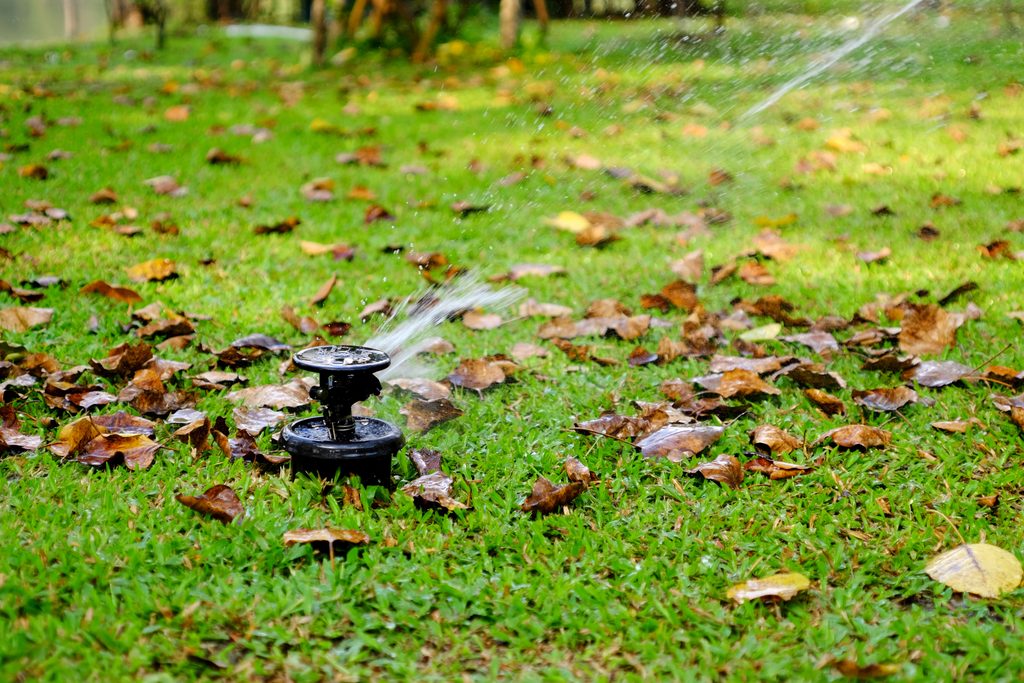
Fall brings cooler temperatures, shorter days and changing water needs to Tulsa landscapes. Turf and plants lose moisture more slowly than they do during summer, so an irrigation schedule that worked in July may provide too much water by October.
Reducing irrigation in the fall can conserve water and help prevent soggy soil, runoff and plant health problems. However, that does not mean every system should be turned off as soon as temperatures cool. Newly seeded turf, recently installed trees and fall plantings may still need consistent moisture.
The right fall irrigation schedule depends on the weather, soil conditions and needs of the plants throughout your property.
Reduce Watering as Temperatures Cool
Tulsa landscapes generally need less supplemental water in the fall because cooler temperatures reduce evaporation. Turf growth also begins to slow, particularly for warm-season grasses such as Bermuda and zoysia.
Start by reducing the frequency or duration of irrigation rather than stopping it completely. Continue monitoring the landscape for signs of excessive or insufficient moisture.
Signs that a property may be receiving too much water include:
- Soggy soil that remains wet long after irrigation
- Water running onto pavement or collecting in low areas
- Mushrooms or algae in consistently damp locations
- Yellowing plants or declining turf
- Soft, muddy areas around beds and walkways
Dry soil, wilting plants and newly established turf that struggles to develop may indicate that the schedule was reduced too quickly.
There is no single schedule that works for every Tulsa property. Sun exposure, soil type, slope, plant selection and recent rainfall all affect how often irrigation is necessary.
Account for Fall Rainfall
A controller should not continue following a summer schedule regardless of the weather. Before each watering cycle, consider how much rain the property has received and whether the root zone is still moist.
Skipping unnecessary cycles can help conserve water and prevent saturated soil. Excess water replaces the air plants need around their roots and may contribute to declining turf, plant stress and disease concerns.
Rain sensors and weather-responsive controllers can help, but they still need to be inspected and programmed correctly. A sensor that is blocked, damaged or incorrectly positioned may not respond as intended.
Continue Watering New Seed and Plantings
Although established landscapes usually need less water in the fall, newly installed material is an important exception.
Tall fescue seed requires consistent moisture during germination and early establishment. Allowing the soil surface to dry out completely can interfere with establishment, while excessive watering can cause runoff, erosion or seed movement. As the grass develops, irrigation can gradually become less frequent.
Trees and shrubs planted in the fall also need water while their roots become established. Cooler weather may reduce moisture loss, but it does not eliminate the need for supplemental watering during dry periods.
New plantings should be monitored separately from established turf whenever possible. Their needs may not match the watering schedule used for the rest of the landscape.
Check Every Irrigation Zone
Fall is a good time to inspect how the irrigation system performed during summer. Running each zone can reveal problems that are easy to miss during normal operation, including:
- Broken or tilted sprinkler heads
- Clogged nozzles
- Blocked spray patterns
- Overspray onto sidewalks or buildings
- Leaks or unusually wet areas
- Dry spots caused by uneven coverage
- Water running down slopes before soaking into the soil
Increasing the run time for the entire system is not always the right solution for a dry area. A damaged head, pressure problem or blocked spray pattern may prevent one section from receiving enough water while other areas become overwatered.
Properties with clay soil or sloped areas may benefit from cycle-and-soak scheduling. Dividing a watering period into shorter cycles gives water more time to move into the soil instead of running off the surface.
Water at the Right Time of Day
Morning is generally the best time to irrigate. Watering early allows moisture to reach the soil before daytime evaporation increases, while giving turf and foliage time to dry.
Late-evening watering can leave leaves wet for extended periods. Cool temperatures, moisture and limited air movement may create conditions that favor certain turf and plant diseases.
Fall schedule changes should therefore address both how much water the landscape receives and when that water is applied.
Prepare the System for Freezing Weather
Fall irrigation reduction and winterization are separate steps. Reducing the schedule helps the landscape transition out of summer, while winterization helps protect system components before freezing weather arrives.
Do not wait until a hard freeze is already in the forecast to identify leaks, damaged valves or exposed components. The winterization process should reflect the system’s design and the property’s conditions. Commercial systems and more complicated irrigation networks may require professional service to ensure the system is prepared correctly.
Even after a system is winterized, newly installed trees, shrubs and evergreens may need occasional supplemental water during extended dry periods when the soil is not frozen.
Create a Schedule for Your Property
A successful fall irrigation adjustment is not simply a matter of selecting a new number of minutes on the controller. It requires evaluating the weather, soil moisture, plant needs and performance of each irrigation zone.
Roark Landscape provides irrigation inspections, repairs and seasonal adjustments for Tulsa-area residential and commercial properties. If you need help reducing water waste, correcting uneven coverage or preparing your irrigation system for winter, contact us today to schedule service.